Welcome to the official website of Youmeng Automation Equipment Co., Ltd., Zhongshan!

Waterproof and airtightness testing equipment
2025-05-22
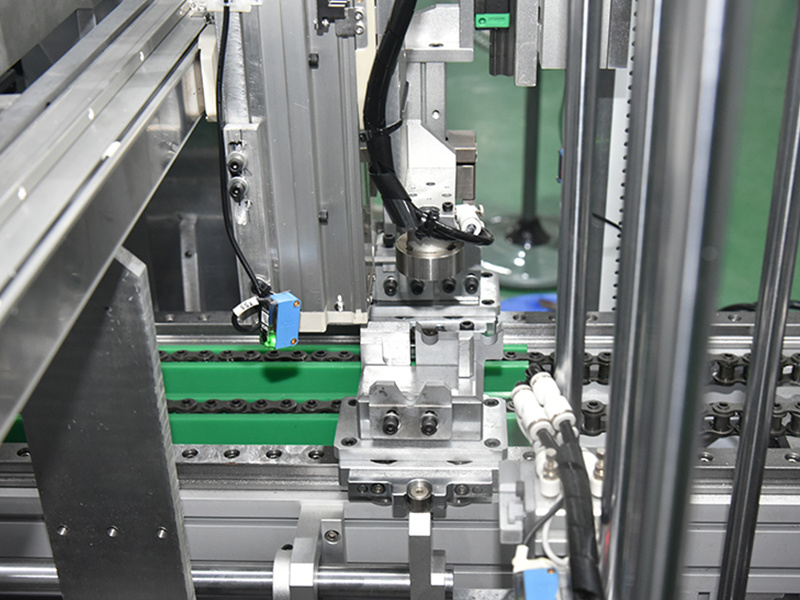
Answer: IPX1-2 waterproof test. Suitable for light waterproof testing. Electronic products such as smartwatches, mobile phones, and lamps
B: IPX3-4 rainwater waterproof test. Suitable for moderate waterproof testing, such as electric shavers, smartphones, watches, LEDs, and outdoor lamps for rainwater splash testing.
C: IPX5-6 water splash waterproof test. This is a high-intensity waterproof test, such as: landscape lights, outdoor lamps, cameras, sound watches, automotive waterproof accessories, high-pressure water spraying.
D: IPX7-8 immersion pressure test. This product is a waterproof test that involves water pressure immersion, such as: underwater cameras, glasses, electronic equipment instruments, underwater machinery, instrument sealing, national engineering waterproof lamps resistant to high-pressure immersion, watertightness testing, and water pressure resistance testing!
Wind is part of natural ventilation. Buildings with poor airtightness and high air permeability have good natural ventilation conditions.
Mechanical ventilation refers to using mechanical means to create a pressure difference to achieve air flow. Compared with natural ventilation, it has strong controllability and can adjust the distribution of indoor airflow by adjusting the size and volume of the vents, thus achieving more satisfactory results.
When high-airtightness buildings use mechanical ventilation, a heat recovery device can be used to pre-cool or preheat the fresh air, but mechanical ventilation consumes fan energy.
From the previous examples, buildings with poor airtightness can basically meet people's needs for fresh air through air leakage from the enclosure structure. Generally, mechanical ventilation is not needed, nor is electricity consumption. Building enclosures, especially exterior windows, often use good sealing materials to maintain their high airtightness, or even restrict their openings, making natural ventilation difficult.
High-airtightness buildings reduce the load brought by wind infiltration, and the energy-saving effect is very obvious in areas with high heating demand. To ensure ventilation requirements, these buildings need to use mechanical ventilation, which increases the energy consumption of the fan. Whether it can truly save energy needs to be analyzed specifically.
Previous Page:
Contact Us
Service Hotline:0760-88506670
Mobile:18948856228/13680168220
Fax:0760-28103833
E-mail:919566397@qq.com
Address: 6th Floor, Building A, Delta Technology Park, No. 108, North Industrial Avenue, Xiaolan, Zhongshan City

Contact Us
Tel:0760-88506670
Mobile:18948856228 / 13680168220
Fax:0760-28103833
E-mail:919566397@qq.com
Address: 6th Floor, Building A, Delta Technology Park, No. 108, North Industrial Avenue, Xiaolan, Zhongshan City
Follow Us

Power:www.300.cn | Zhongshan | SEO